All Categories
Featured
How to Best Coordinate Global Teams to Growth
Table of Contents
Short Nearshoring HistoryThe history of nearshoring can be traced back to the early 1990s, when the North American Free Trade Arrangement (NAFTA) was signed between the United States, Canada, and Mexico. This agreement developed an open market zone in between the 3 countries, that made it much easier for companies to outsource work to Mexico.
Business in Western Europe started outsourcing work to nations in Eastern Europe, such as Poland, Romania, and Ukraine, which used lower costs and an extremely experienced labor force without language barriers and a best geographical location. Today, nearshoring is a popular option to offshoring, as it permits companies to benefit from lower labour costs while preserving closer cultural and linguistic ties to their home country.
The objective is to attain expense savings while increasing efficiency and efficiency.
manufacturing business began outsourcing work to Japan, which was becoming a substantial industrial power at the time. This pattern continued into the 1970s and 1980s, as U.S. companies began contracting out work to other nations in Asia, such as Taiwan, South Korea, and China. In the 1990s and 2000s, offshoring became much more popular, as the web and advances in communication technology made it much easier for business to contract out work to countries worldwide.
How to Scale Strategic GCC Models in 2026Developing a GCC Strategy Within America
Today, offshoring stays a popular choice for companies in many industries, such as manufacturing, software application advancement, and customer support. It enables business to access lower labour expenses and specialized abilities, while likewise supplying chances for economic development in establishing nations. Some popular offshoring destinations include India, China, the Philippines, and Western Europe.
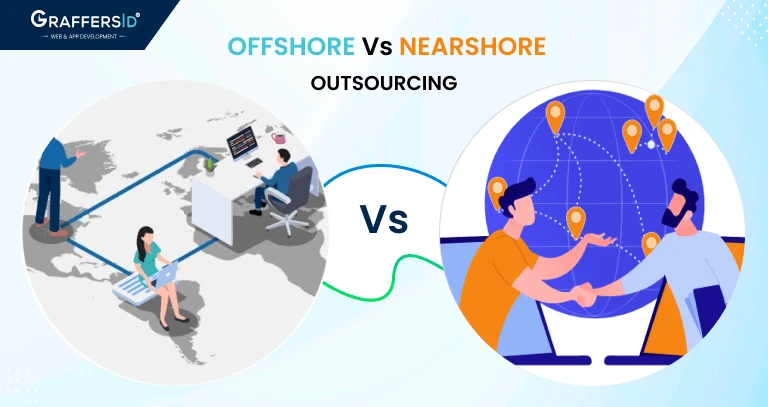
Onshore, nearshore, and offshore are 3 different service models for contracting out work to external partners. They vary based on the geography of the partner, ease and speed of cooperation, cost, and facilities. Here are the crucial differences: Onshore outsourcing involves partnering service processes with a company in the exact same country or close-by town as the customer business.
Onshore outsourcing normally has the highest expense due to the higher total expense and functional costs in developed countries. Nearshore outsourcing has a moderate cost due to lower labour and operational expenses in neighbouring nations. Offshore outsourcing has the most affordable expense due to significantly lower labour and operational costs in establishing nations.
Nearshore outsourcing might likewise have access to comparable facilities, but offshore contracting out may have constraints in terms of facilities and innovation. Want to see whatever in one location? Understanding about the various outsourcing alternatives is just the initial step; picking the right outsourcing model for your task depends on your specific requirements and requirements.
When thinking about offshoring, nearshoring, or onshoring, each option has its advantages and downsides. For example, offshoring and nearshoring might be a good fit if you need affordable services or top-tier professional abilities in establishing countries. Onshoring is suggested if you value in-person cooperation and quick travel. It is likewise possible to integrate outsourcing models, called multisource or hybrid outsourcing, to enhance costs and discover the finest talent for your app development needs.
Establish Scalable Nearshore Operations to Reduce Risk
For circumstances, you can employ an onshore group for top-level tactical work that requires in-person collaboration, a nearshore team for design work, and an offshore team for advancement work. By using multiple outsourcing models, you can optimize your costs, find the very best talent where it matters, and make sure an effective result for your task.

Onshore outsourcing typically has the highest expense due to the higher overall expense and operational costs in industrialized nations. Nearshore outsourcing has a moderate cost due to lower labour and operational costs in neighbouring countries. Offshore outsourcing has the least expensive cost due to significantly lower labour and operational costs in establishing countries.
Nearshore outsourcing might also have access to comparable facilities, but offshore contracting out may have constraints in regards to facilities and innovation. Want to see everything in one place? Understanding about the different outsourcing options is just the first action; selecting the best outsourcing model for your task depends upon your specific requirements and requirements.
Will Firms Move to Nearshore Hubs in 2026?
When considering offshoring, nearshoring, or onshoring, each option has its benefits and downsides. For instance, offshoring and nearshoring might be a great fit if you require cost-effective services or top-tier professional skills in developing nations. Onshoring is suggested if you value in-person cooperation and fast travel. It is also possible to integrate contracting out models, referred to as multisource or hybrid outsourcing, to optimize costs and find the very best talent for your app advancement requirements.
For instance, you can employ an onshore group for top-level tactical work that requires in-person cooperation, a nearshore team for design work, and an overseas team for advancement work. By utilizing multiple outsourcing models, you can enhance your costs, discover the best skill where it matters, and make sure an effective outcome for your project.

Latest Posts
Scaling Global Footprints With Hybrid Models
How to Scale the Compliant GCC Hub
Legal Proven Strategies for Managing International Labor Laws